Best Grow Lights for Indoor Plants
Choosing the right grow light for indoor plants can feel overwhelming with so many options available. The best choice often depends on your experience level, plant type, and setup.
If you're just getting started or want the most reliable results, start with our beginner-friendly guide. It breaks down the easiest and most effective grow lights to use and helps you avoid common mistakes.
As an Amazon Associate, I earn from qualifying purchases.
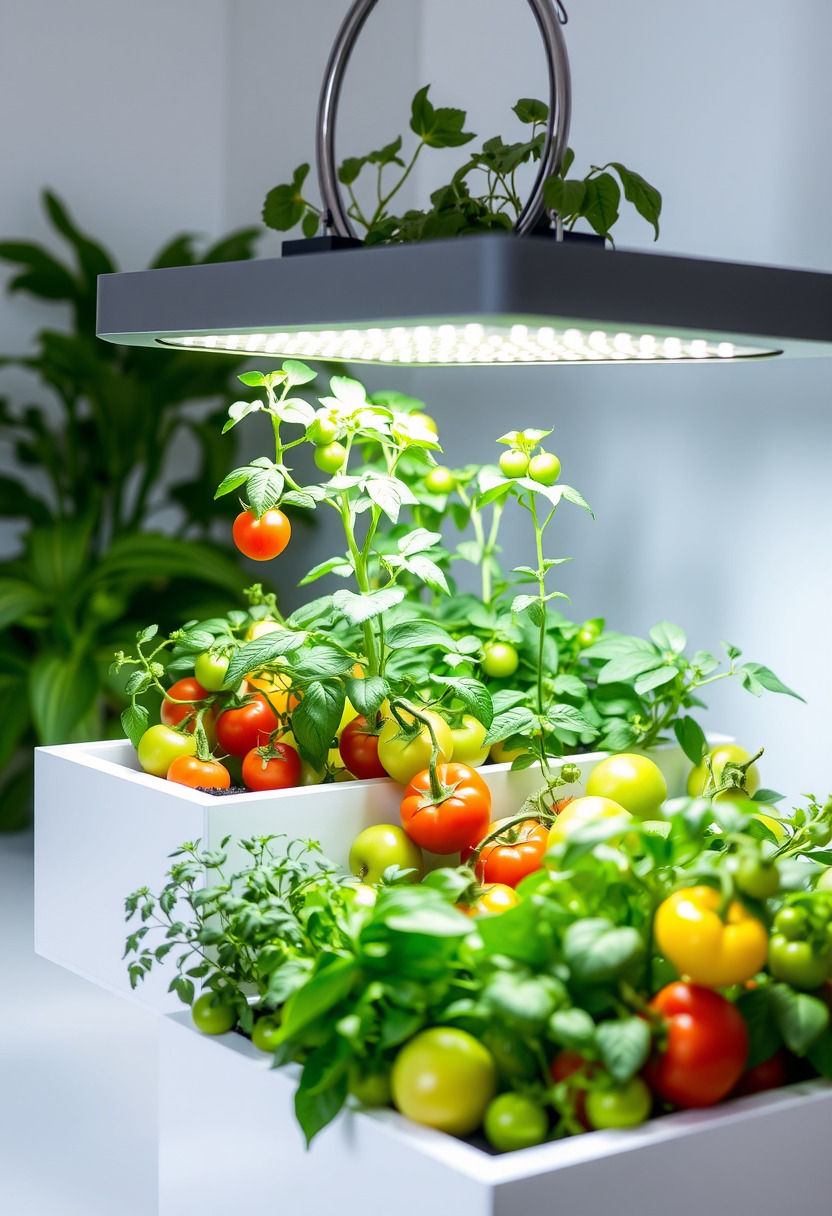
Grow lights are the foundation of any successful indoor garden. By artificially replicating the sun’s natural electromagnetic spectrum, these fixtures provide the energy required for photosynthesis in environments where sunlight is insufficient. This support is critical for developing robust stem structures, preventing the weak and leggy growth often seen in low-light conditions, and ensuring your plants remain vibrant and healthy regardless of their proximity to a window.
Why Supplemental Lighting is Essential
Beyond basic maintenance, grow lights unlock the potential for truly year-round indoor gardening. They allow growers to overcome the challenges of seasonal light shifts and shorter winter days, providing a stable and predictable environment for continuous growth. Whether you are starting delicate seedlings for an outdoor transplant or maintaining a fully productive indoor herb harvest, specialized lighting gives you total control over the grow cycle in any room of your home.
Types of Grow Lights Explained


Mastering Grow Light Placement
Healthy growth depends on finding the perfect balance between intensity and distance. Managing your light placement and daily duration ensures your indoor garden receives consistent energy without risk of stress or heat damage.
- Distance Guidelines: Position lights according to specific growth stages to prevent foliage scorch while maintaining photosynthetic efficiency.
- Timing Cycles: Maintain a stable day and night rhythm to support natural biological plant processes and hormone regulation.
- Monitoring Growth: Learn to recognize how your plants respond to lighting intensity to refine your setup as your indoor garden matures.

Troubleshooting Common Issues
- Leggy Plants: If your plants are tall and thin, they are reaching for more light. Lower your fixture or increase the power intensity.
- Burned Leaves: Brown or bleached spots on top leaves mean the light is too close. Move the lamp up by 3-5 inches.
- Stunted Growth: Check your timers; your plants may need more hours of simulated daylight to flourish.

Fixture Maintenance & Care
- Cleaning Fixtures: Dust buildup on LEDs can reduce light output by up to 20%. Wipe fixtures monthly with a clean microfiber cloth.
- Check Your Timers: Electronic timers can drift over time. Monthly checks ensure your plants get a consistent day and night cycle.
- Inspect Wiring: Ensure all connections are secure and cables are kept away from any moisture and heat sources.
Optimizing Your Light Environment
Healthy plants require more than just water; they need consistent, quality lighting. If you’re new to indoor growing, start with our main beginner grow light guide for a focused approach to choosing the right setup with confidence.